Japan for women travelling alone
377,975 km² archipelago, 6,852 islands, shinkansen network
- Cities read
- 3
- Budget
- $80 a day
- Currency
- JPY
- Best months
- March to May (cherry blossoms), September to November (fall colors)
- Getting around
- Trains reach every major city, IC cards work on all of it, and they run to the timetable
- Feel
- Bullet trains, vending machines on every block, temples and shrines, konbini on every corner
01 / 03
The read
Japan runs on precision and personal space, and both happen to work entirely in a solo woman's favour.
What holds up
- The Shinkansen (bullet train) network connects Tokyo, Kyoto, and Osaka in under three hours, stations are signed in English, and a Suica IC card, a rechargeable tap-to-pay card, covers trains, buses, and convenience stores across all three cities.
- Women-only carriages, called josei senyō sharyō, operate on busy commuter lines in Tokyo and Osaka during weekday rush hours; they are marked clearly in pink on platforms, doors, and the floor, and require no special pass to use.
- Solo dining is architecturally designed-in here: counter seats, ramen-bar hatch windows, and vending-machine ticket restaurants mean eating alone draws no attention and often produces the best meals.
What to weigh
- Visa entry depends entirely on your passport: most EU, UK, US, Australian, and Canadian passport holders enter without a visa for up to 90 days, but travellers from China, India, the Philippines, Vietnam, and several other countries must apply in advance, check the Japanese Ministry of Foreign Affairs list before booking anything.
- The Japan Rail Pass, once a clear buy for multi-city trips, saw a roughly 70% price increase in October 2023 and is now worth calculating carefully against your actual route, for a Tokyo-Kyoto-Osaka trip only, individual Shinkansen tickets are likely to be cheaper.
Japan is one of the easiest countries in the world to travel solo. Trains run on time to the second, convenience stores solve almost any problem at 3am, and solo dining is built into the culture (counters, ramen bars, single-seat restaurants). The circuit most travellers follow runs Tokyo, Kyoto, Osaka, Hiroshima, and Hakone, though slower travellers add Kanazawa, Nara, and Okinawa. The food alone is worth the trip. Cherry blossom season transforms the entire country, and temple gardens are among the most beautiful spaces in the world.
02 / 03
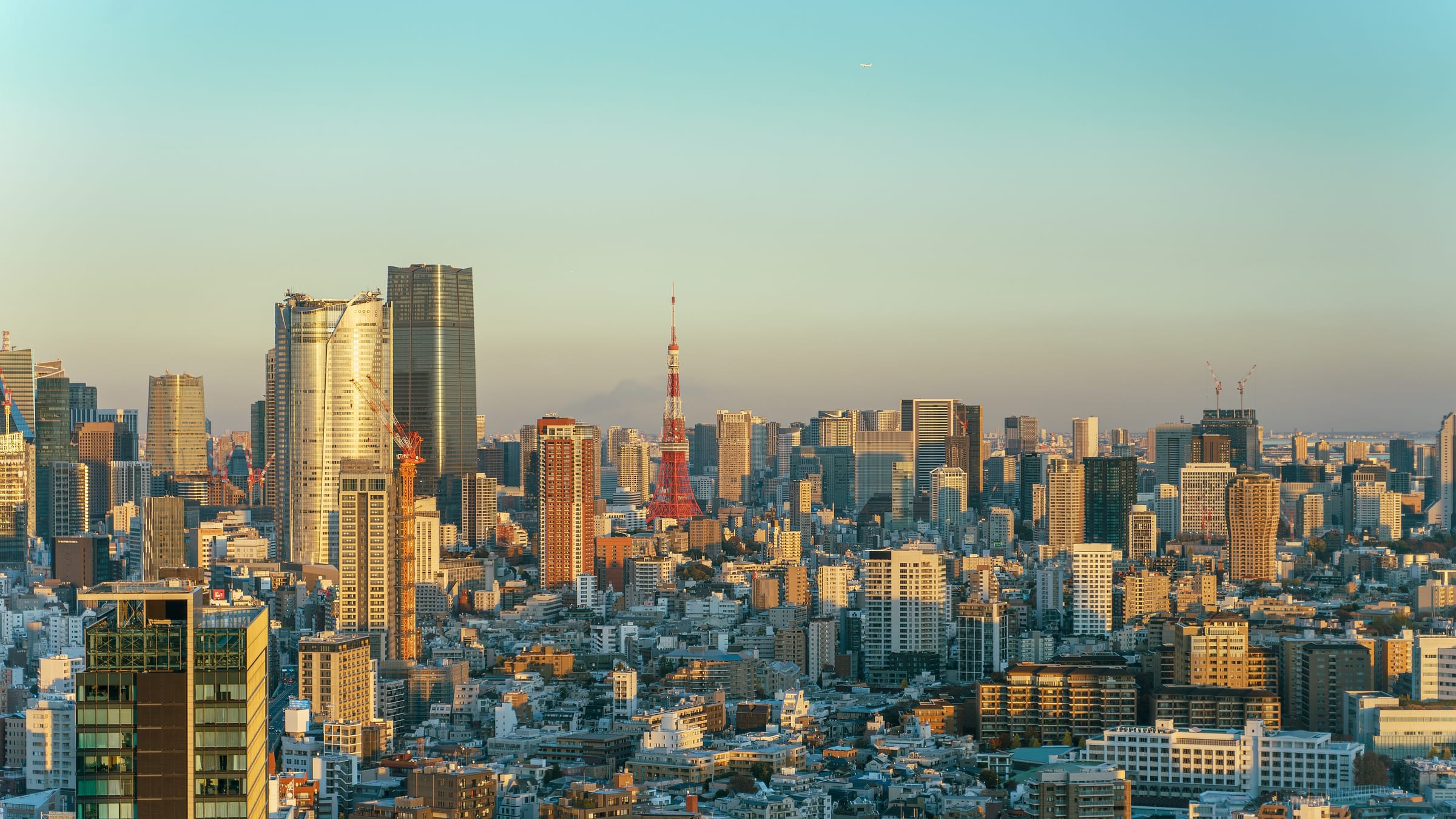
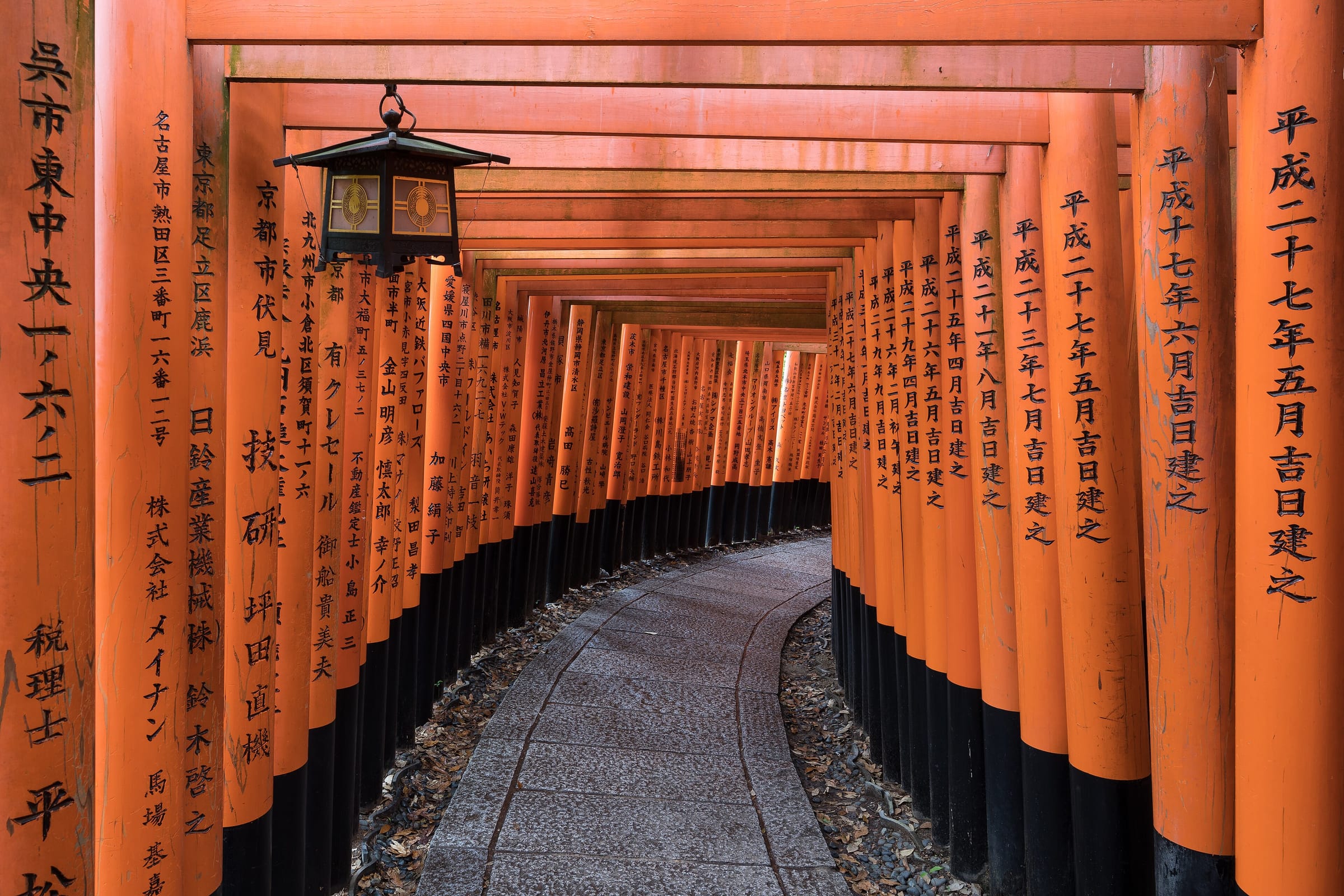
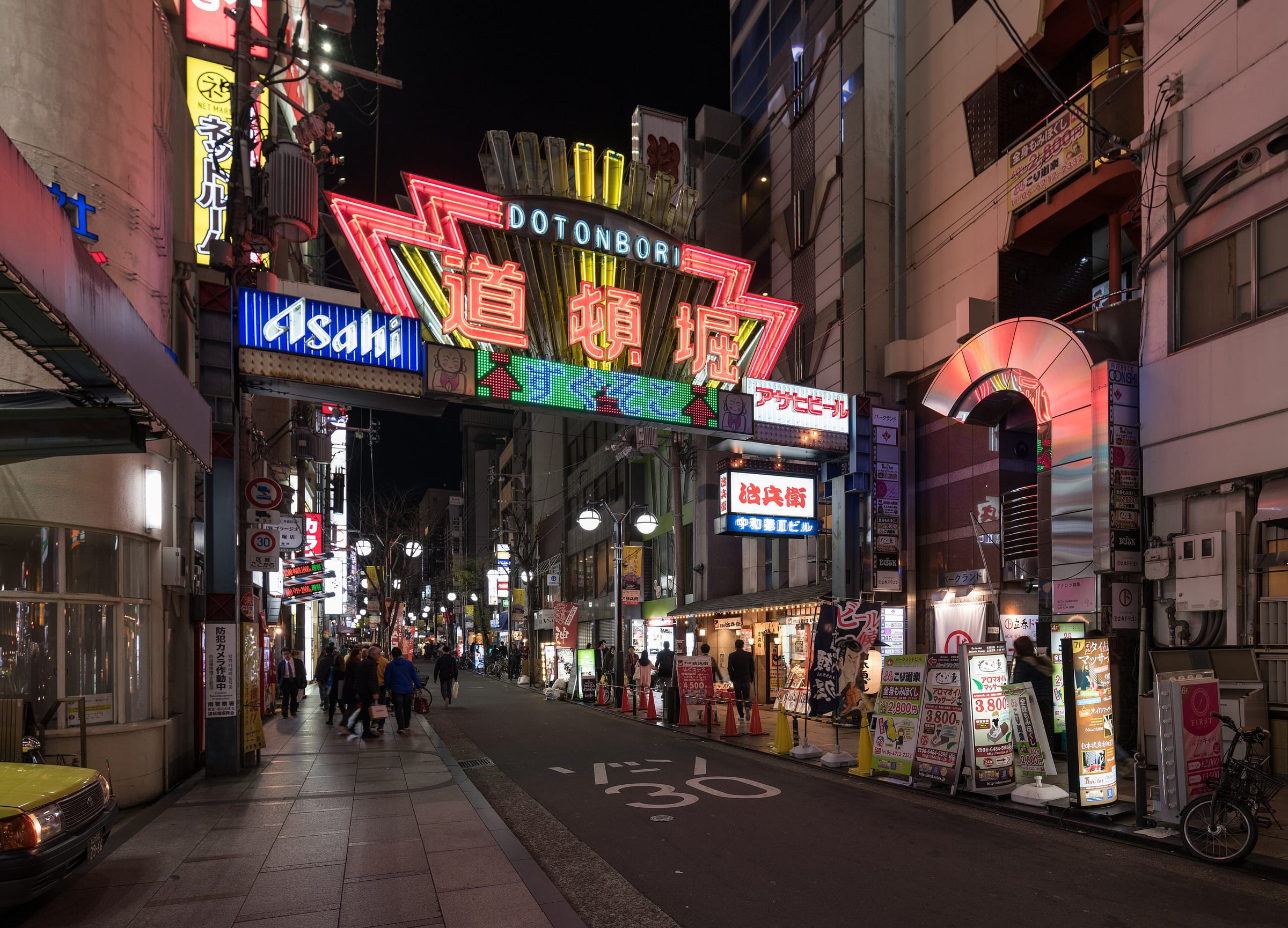
Cities
03 / 03
What to eat
- 01
Ramen
Rich broth noodle soup, every region has its own style and intensity
Small counter-seat ramen shops, not chains
- 02
Onigiri
Hand-pressed rice triangles with fillings like salmon, umeboshi, or tuna mayo
Any convenience store, surprisingly perfect
- 03
Okonomiyaki
Savory cabbage pancake with your choice of toppings, grilled at your table
Osaka and Hiroshima, two different styles
- 04
Matcha Everything
Green tea in every form, soft serve, lattes, mochi, parfaits
Kyoto tea houses and dessert shops