Mozambique for women travelling alone
801,590 km², 2,470 km Indian Ocean coastline
- Cities read
- 3
- Currency
- MZN
- Getting around
- Chapas run local routes, with domestic flights linking Maputo, Tofo and other hubs over slow, potholed roads
- Feel
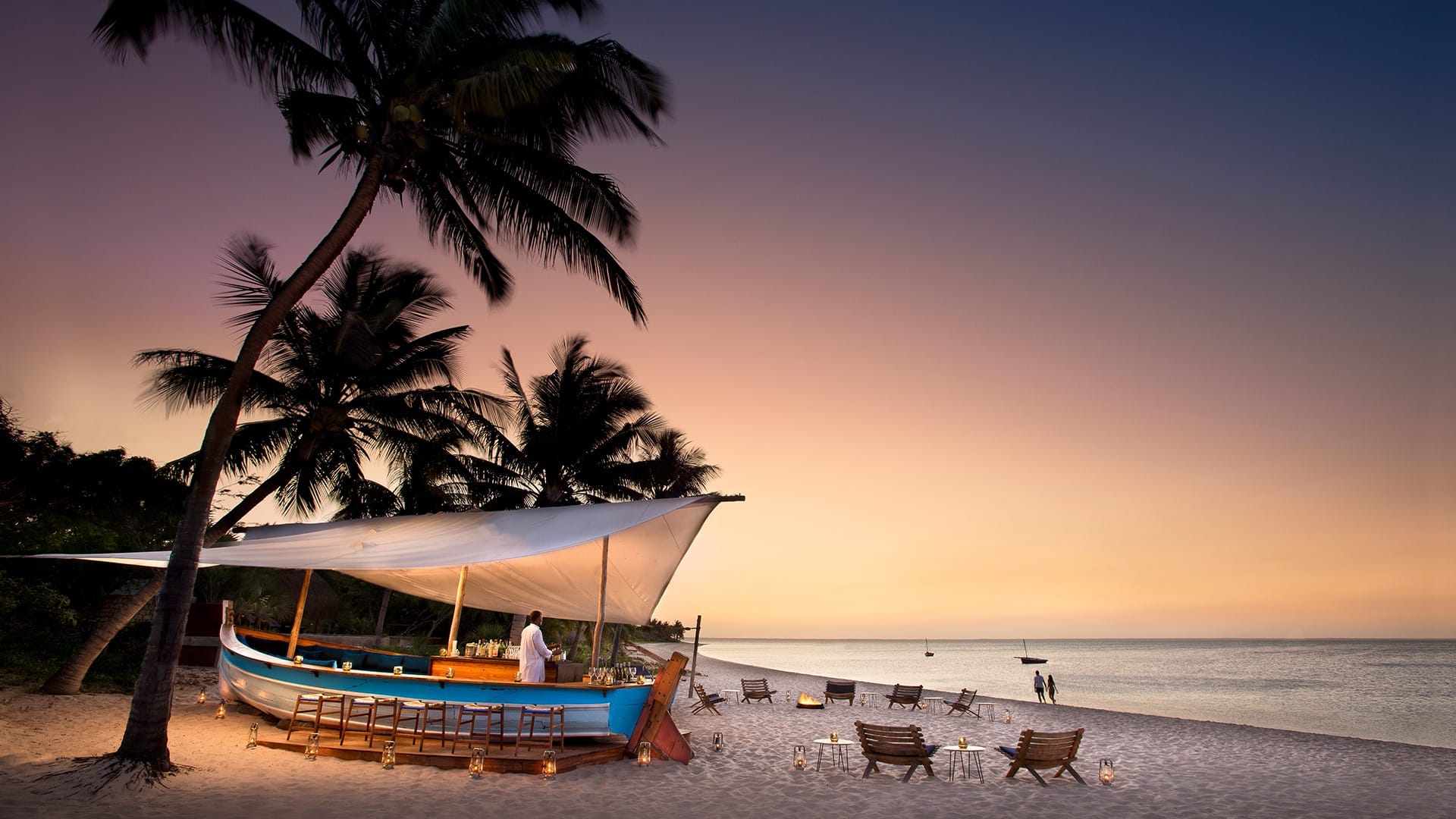
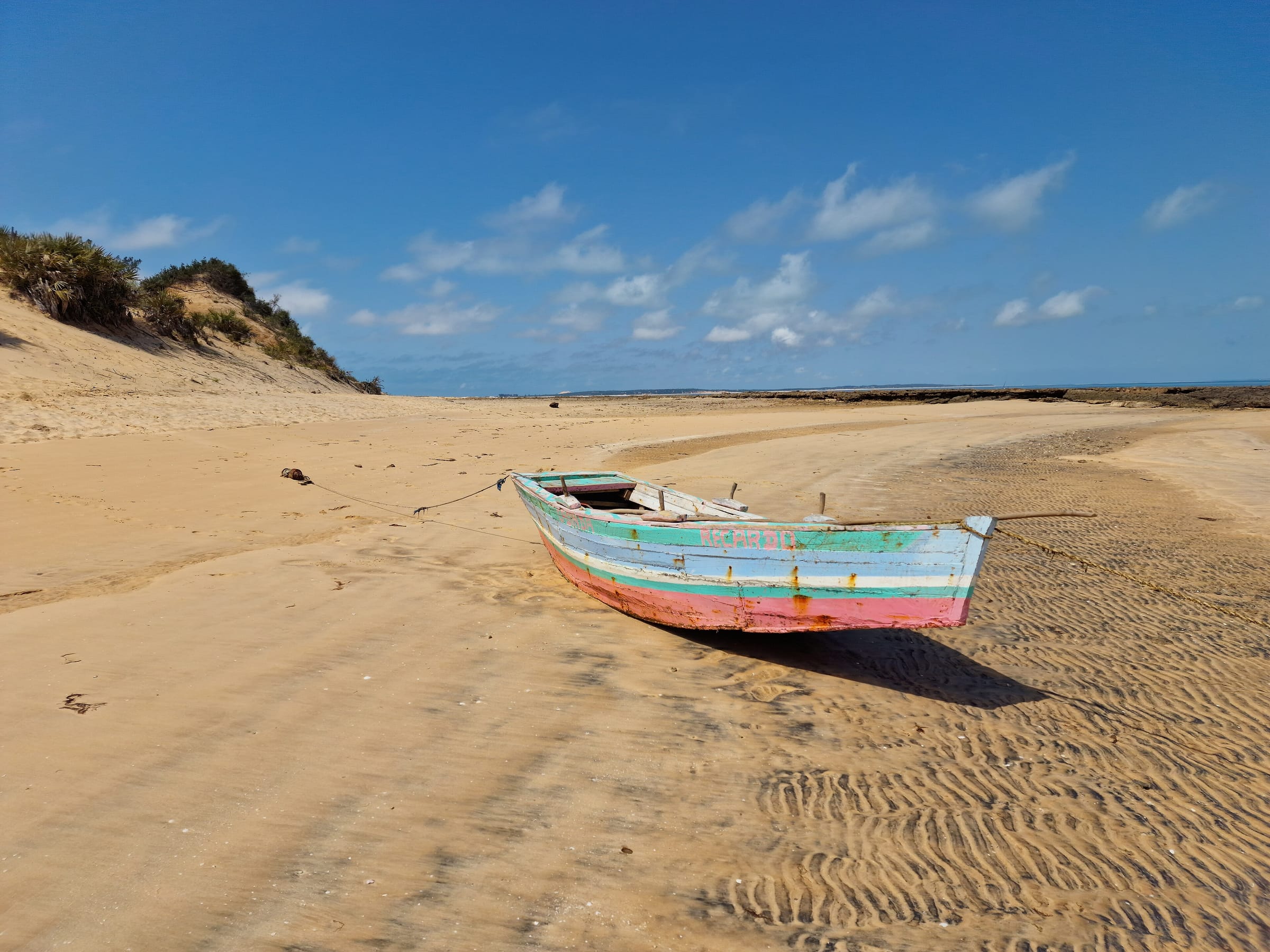
- Dhow harbors, chapas, Portuguese
01 / 02
The read
Mozambique runs on Portuguese, piri-piri, and the Indian Ocean, and the southern coast circuit is genuinely within reach for an experienced solo woman who treats logistics as part of the trip.
What holds up
- English works at hotels, dive centres, and tour operators in Maputo, Tofo, and Vilanculos; outside those hubs Portuguese takes over entirely, so a downloaded offline translator and a handful of phrases are practical tools, not optional extras.
- The Maputo-to-Tofo run is an eight-to-nine hour Etrago coach ride, bookable in advance online; from Inhambane town, a chapa (shared minibus) or tuk-tuk covers the final 30 minutes to Tofo. Reaching the Bazaruto Archipelago means a boat or small plane from Vilanculos, there is no other way in.
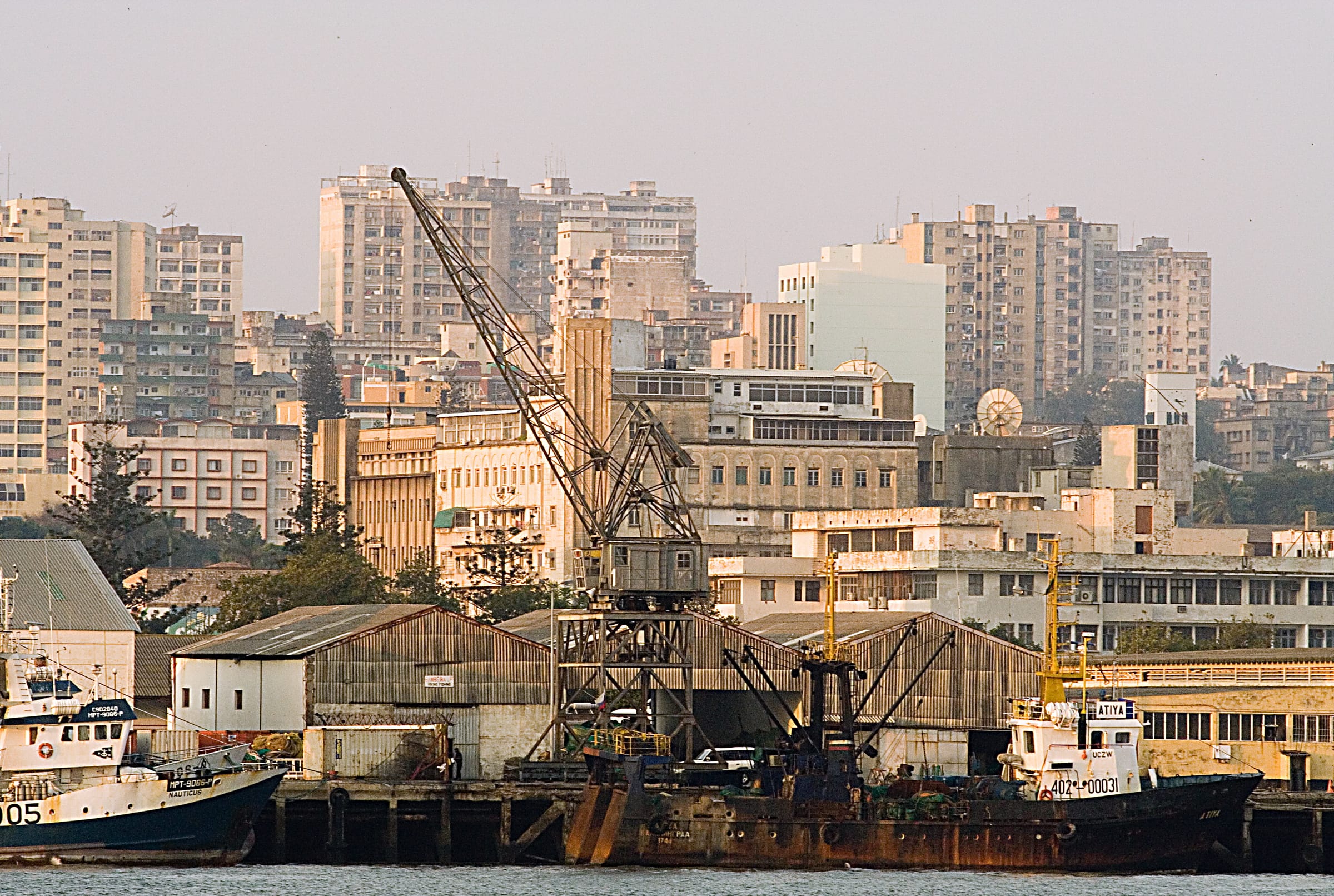
- Tofo Beach has a working backpacker scene built around its dive community, women-run guesthouses dot the southern coast, and women vendors and artisan co-operatives dominate the markets in Maputo and Inhambane.
What to weigh
- Entry rules changed in 2025 and are still in flux: many nationalities who were previously visa-free now need either an ETA (Electronic Travel Authorisation, a pre-departure online registration) or a full eVisa before flying. Airlines check compliance at the gate. Confirm your exact status at evisa.gov.mz before booking flights, and carry a printed copy of your approval.
- Malaria is present year-round across the whole country. Start prophylaxis before departure, pack DEET-based repellent, and plan around the wet season (November to April) when some roads flood and access to remote areas becomes unreliable.
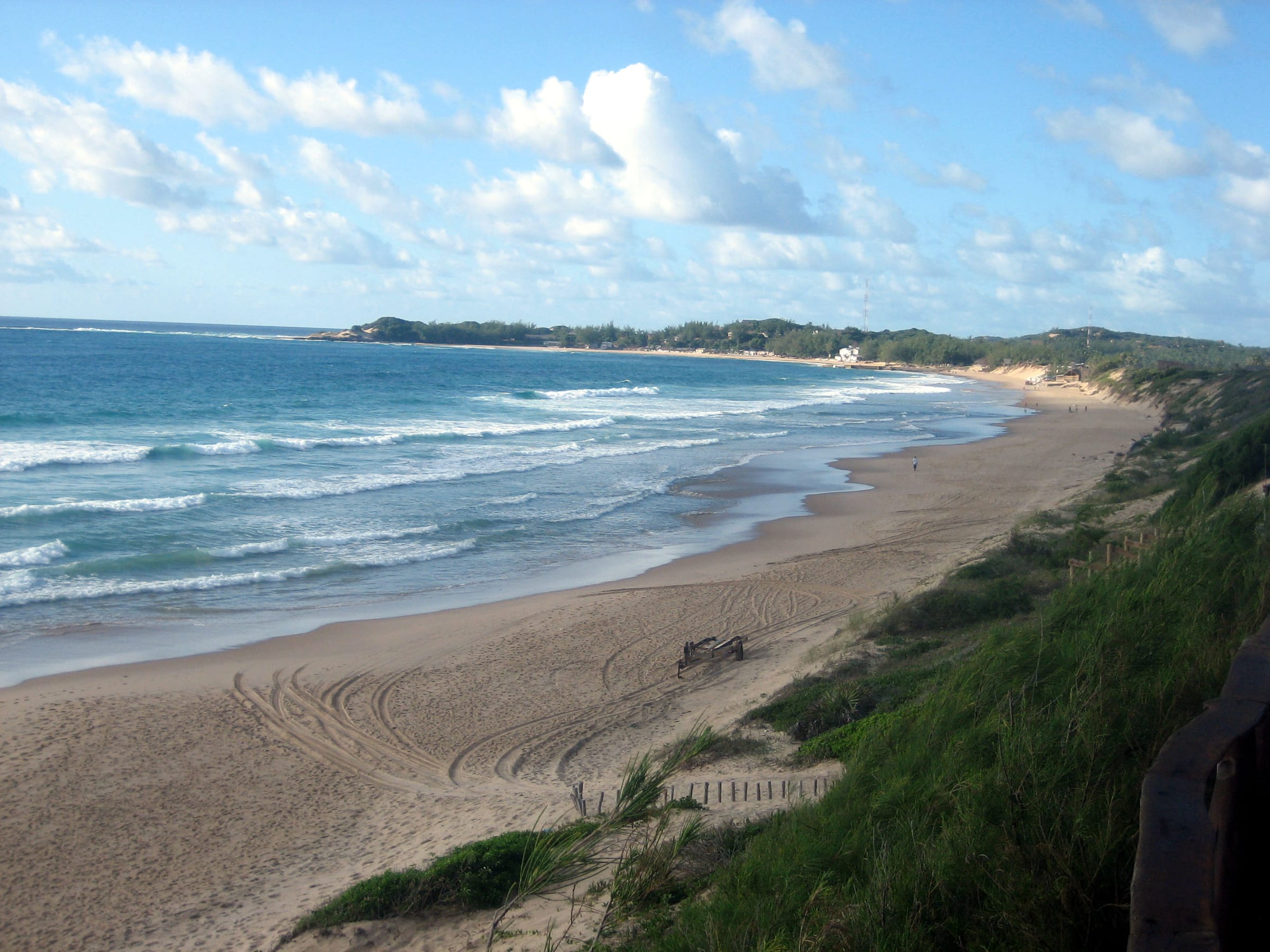
Mozambique runs 2,470 km down the Indian Ocean coast. The southern coast from Maputo to Tofo Beach is the main traveller circuit, with warm water, whale sharks, diving, and prawns. Infrastructure is basic, Portuguese is more useful than English, and getting around takes patience. This is not a polished destination. It rewards experienced travellers who are comfortable with uncertainty, slow buses, and potholed roads. The payoff is pristine coastline, genuinely warm people, and very few other tourists.