Vietnam for women travelling alone
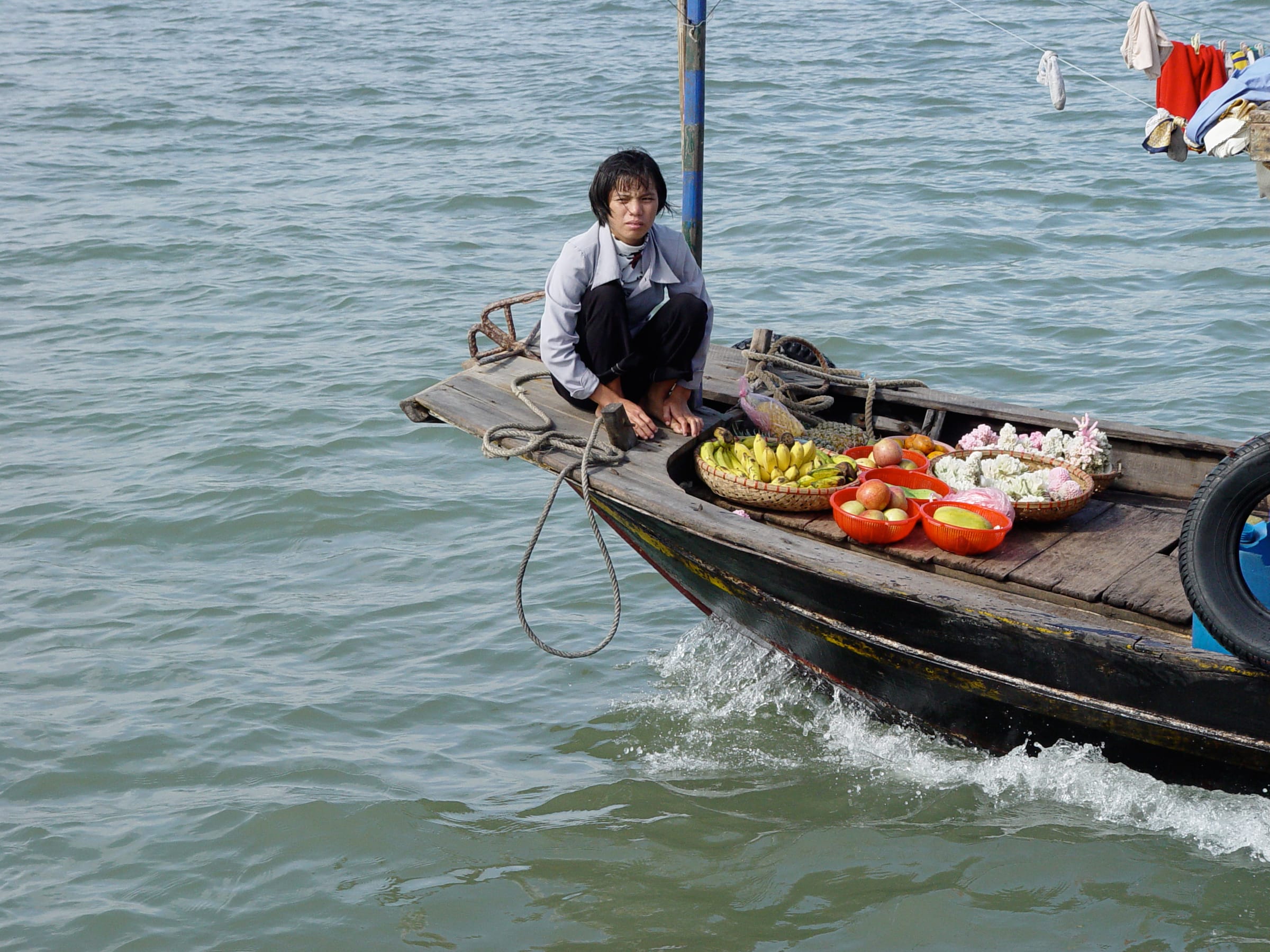
3,260 km coastline, 54 ethnic groups, 8 UNESCO sites
- Cities read
- 5
- Budget
- $30 a day
- Currency
- VND
- Best months
- February to April (whole country), or November to January (south)
- Getting around
- Sleeper buses connect major cities, Grab works everywhere, trains along the coast
- Feel
- Motorbike traffic, French-colonial buildings, floating markets, pho stands
01 / 03
The read
Vietnam runs on motorbikes, pho eaten on plastic stools, and overnight sleeper buses that do the hard work while you sleep.
What holds up
- English reaches you reliably in tourist-facing businesses across Ho Chi Minh City, Hanoi, Da Nang, and Hoi An; outside those corridors, Google Translate Vietnamese offline is genuinely necessary.
- The country's long, narrow shape makes routing logical: sleeper buses with individual reclining pods connect almost every city overnight, the Reunification Express (the north-to-south railway line running Hanoi to Ho Chi Minh City) adds a scenic alternative, and Grab (a ride-booking app covering cars and motorbike taxis) handles city movement without hailing or haggling.
- Eating alone draws no attention at all; street stalls run by women are the standard, and hostels in Hanoi's Old Quarter, Hoi An, and Ho Chi Minh City's District 1 are consistently full of solo women travellers.
What to weigh
- Most nationalities need to sort entry before arriving: an e-visa (applied online, valid up to 90 days) is open to citizens of every country, but you must declare your port of entry on the application and cannot change it afterwards, so sort this at least ten days ahead. Citizens of Germany, France, the UK, Spain, Italy and a handful of others currently enter visa-free for 45 days.
- Vietnam has three distinct weather zones running north to south, and a bad-season visit means downpours or punishing heat depending on the region; February to April suits the south, September to November suits the central coast, and October to April suits the north, so if you plan to travel the full length, your timing will inevitably compromise one end.
Vietnam stretches 1,650 km along the coast of mainland Southeast Asia, and the landscape changes completely from north to south. Hanoi in the north is dense, loud, and full of French colonial architecture. Ho Chi Minh City in the south is modern and fast-moving. In between: rice terraces in Sapa, the marble mountains of Da Nang, the lantern-lit streets of Hoi An, and Ha Long Bay. The food is extraordinary. Coffee culture is serious here. The country runs on motorbikes, which takes getting used to. Solo women travel Vietnam in large numbers, usually over 2-4 weeks, moving north to south or the reverse.
02 / 03
Cities
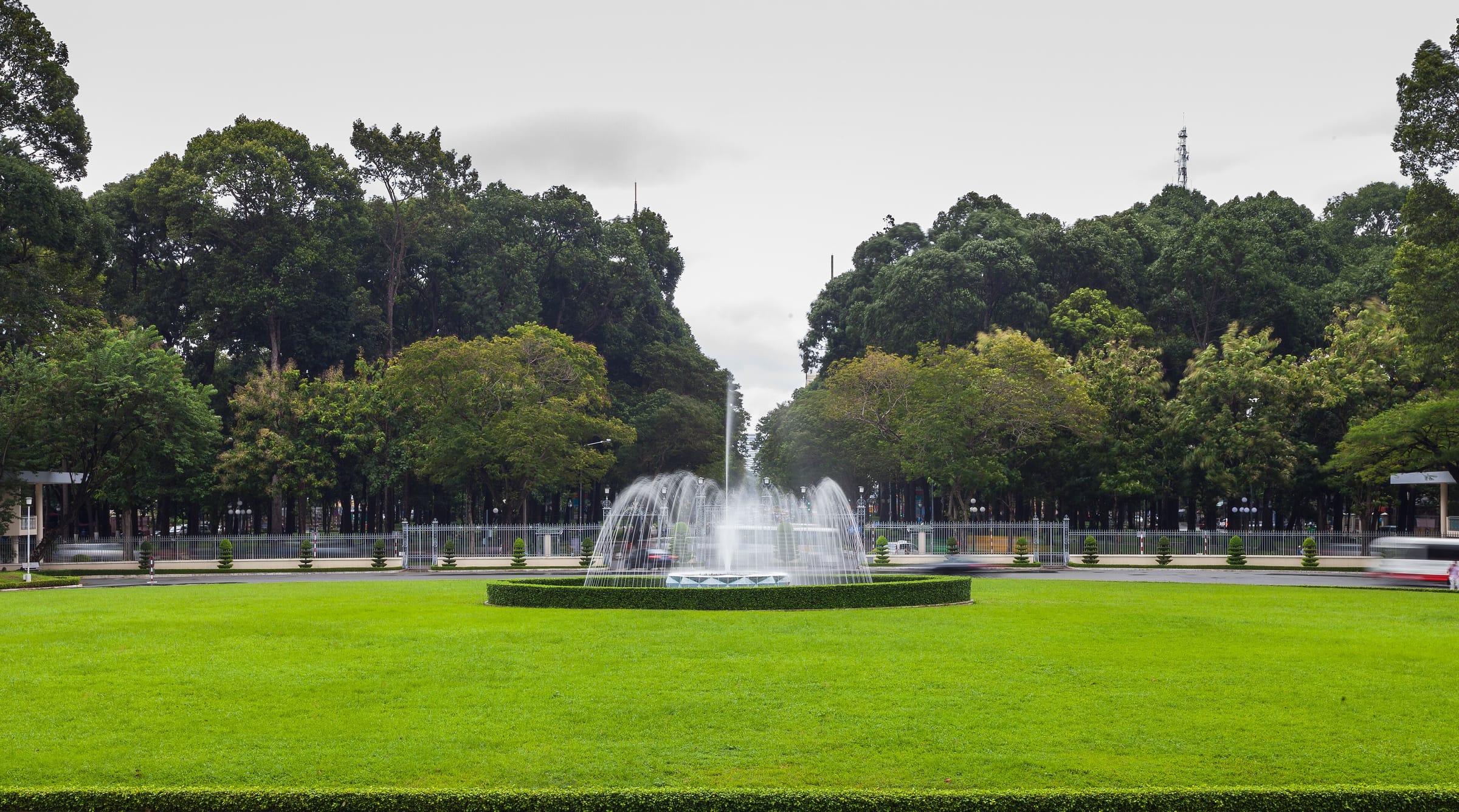 Ho Chi Minh City
Motorbike energy, rooftop bars, and bold food
$25 a day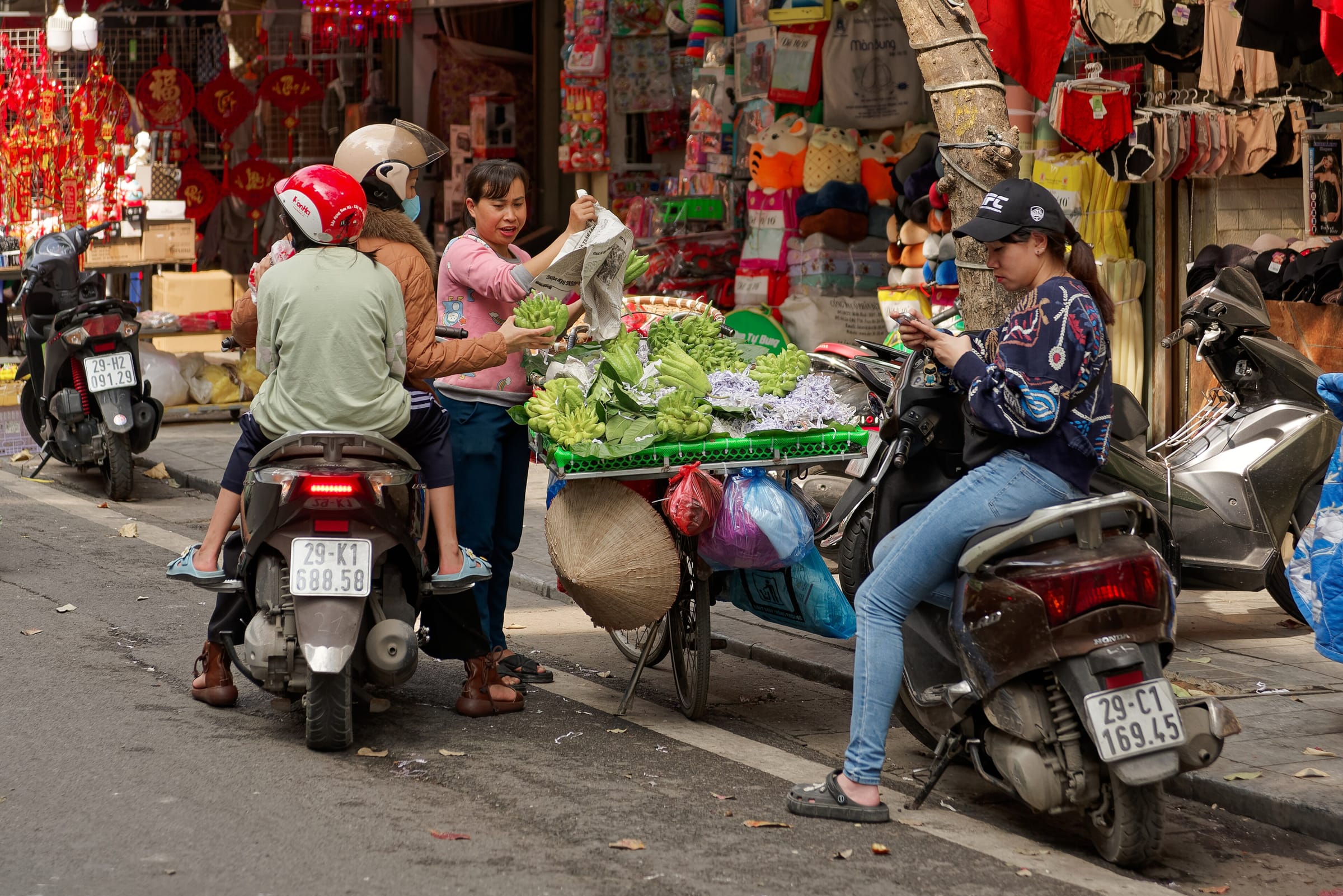 Hanoi
HanoiA dense grid of Old Quarter streets, best covered on foot
$25 a day · walkable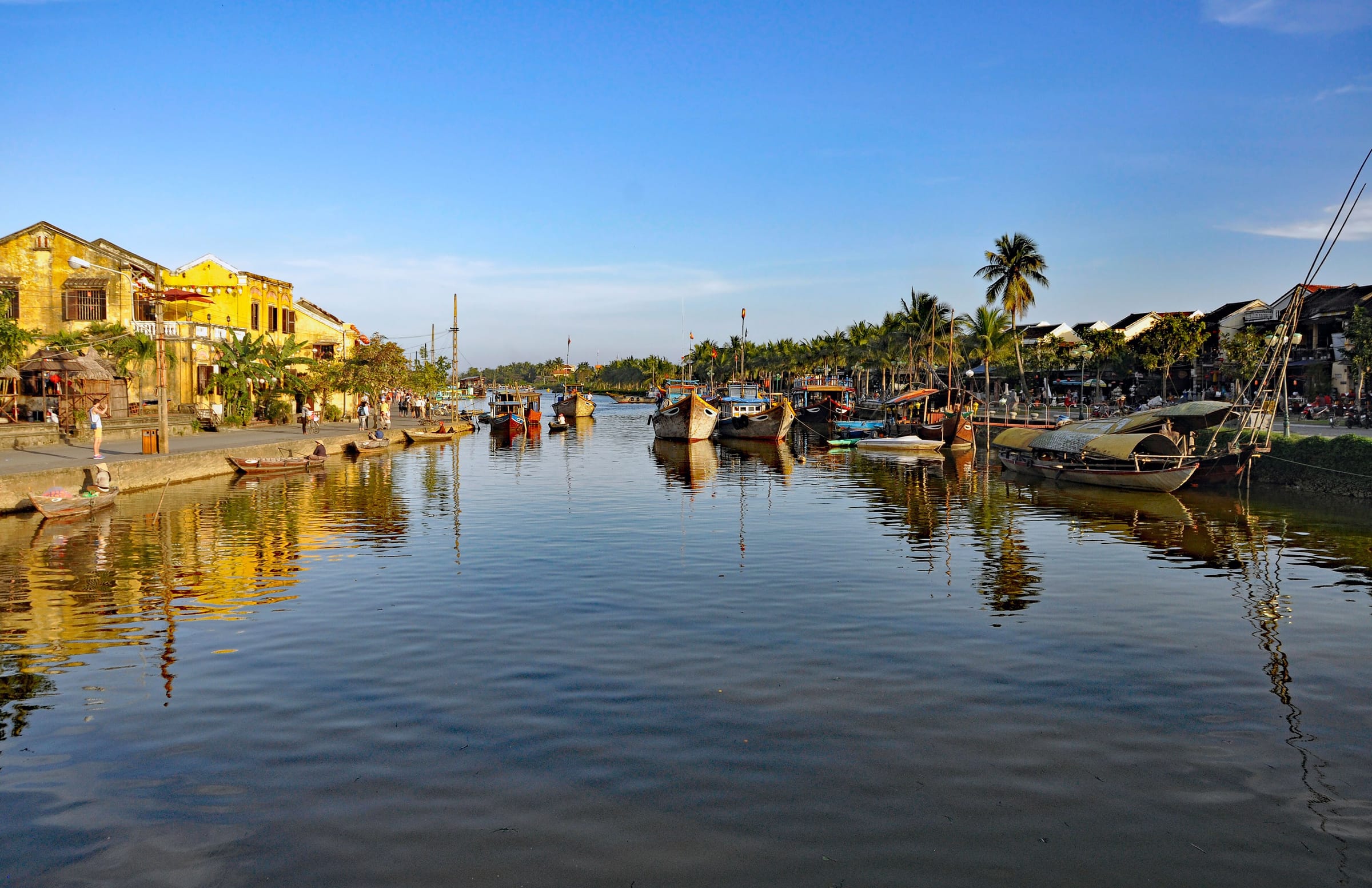 Hoi An
A walkable Ancient Town, with An Bang Beach 15 minutes away by bike
$25 a day · good first trip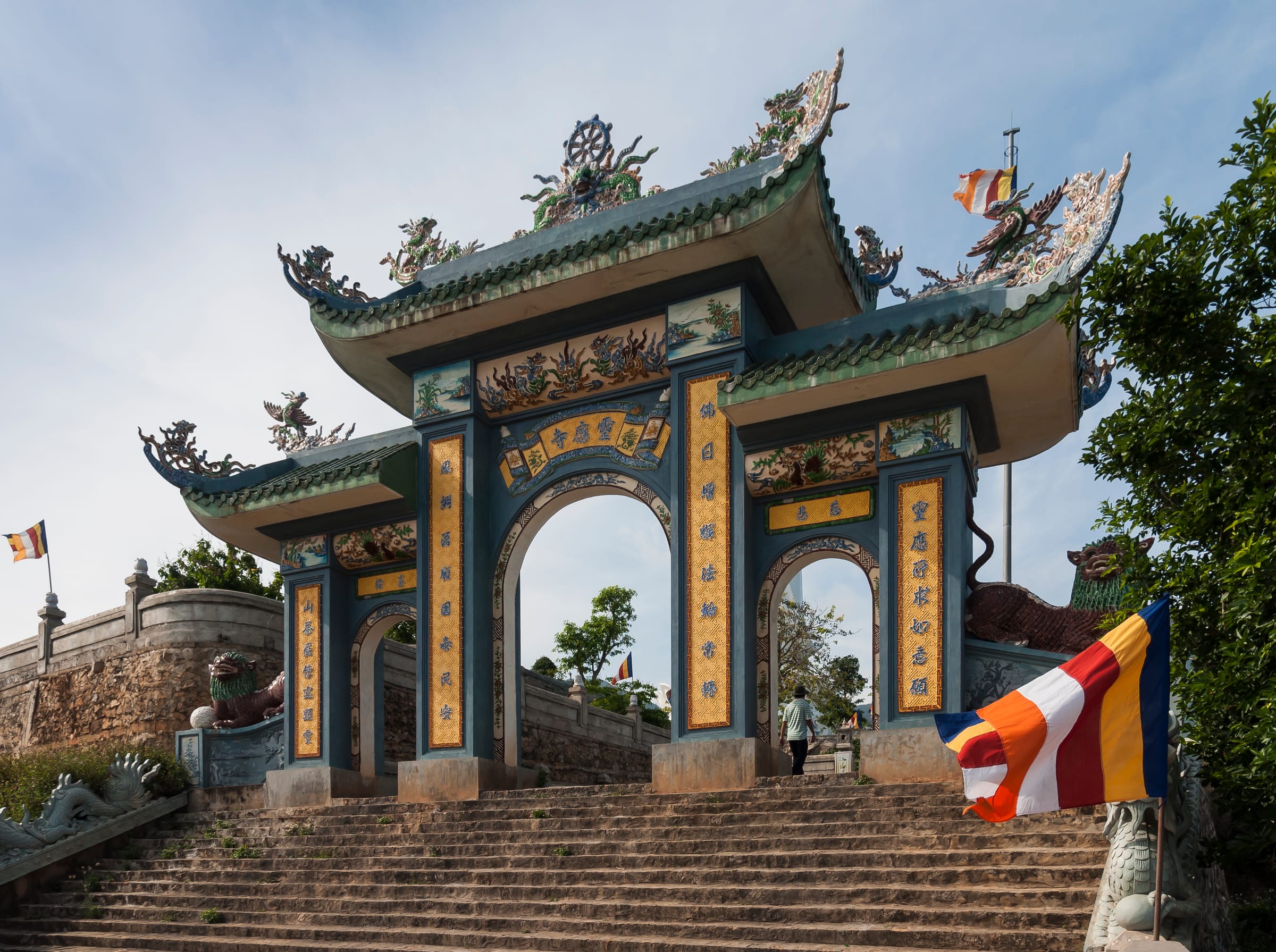 Da Nang
Beach city with marble mountains and surf
$25 a day · walkable · good first trip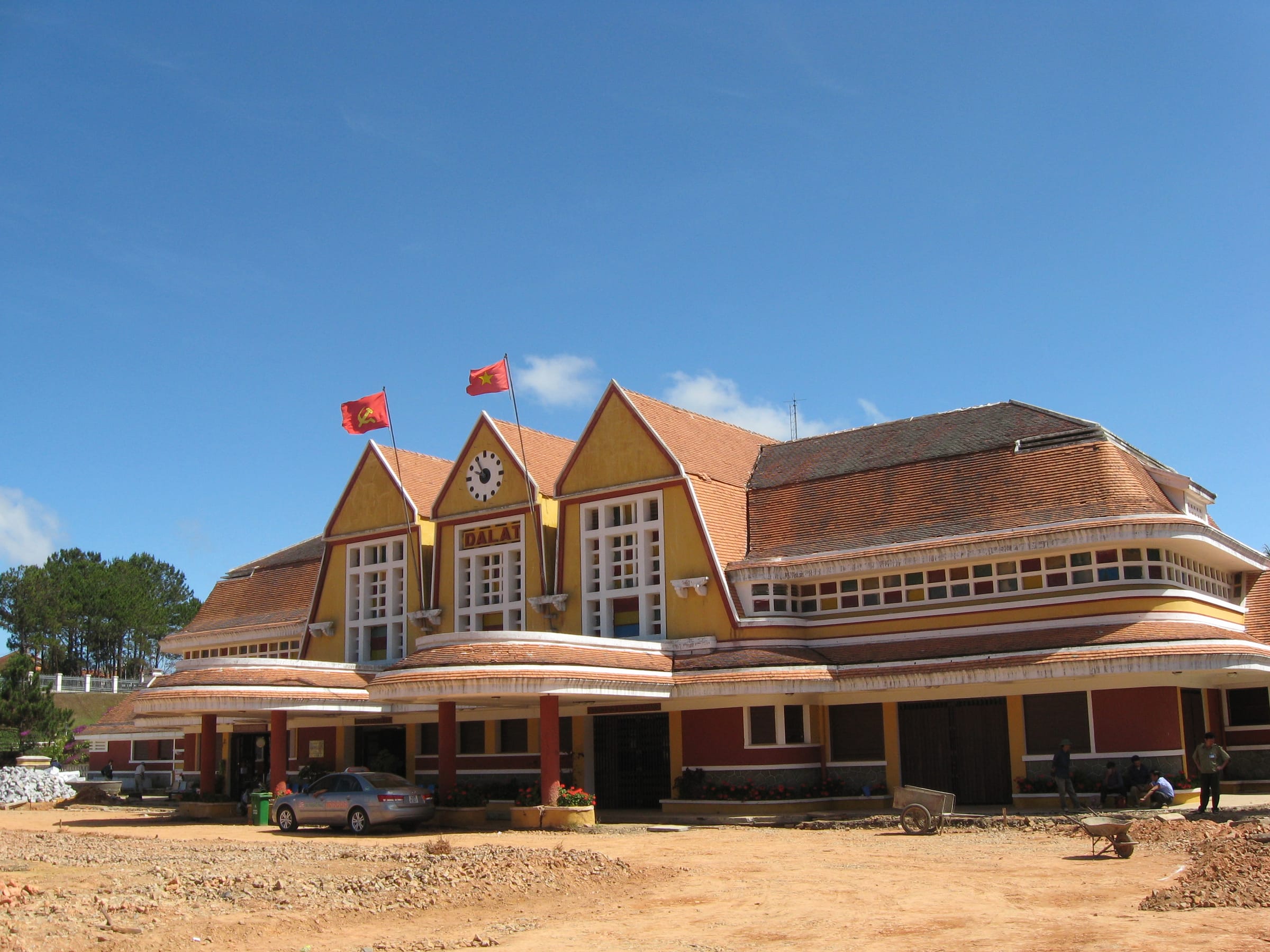 Da Lat
Cool highlands with French villas and coffee
$20 a day · walkable
03 / 03
What to eat
- 01
Pho
Rice noodle soup with slow-simmered bone broth, fresh herbs, and lime
Street stalls early morning, Hanoi does beef, the south does chicken
- 02
Banh Mi
Crusty baguette filled with pate, pickled daikon, cilantro, and chili
Street carts everywhere, Hoi An is famous for it
- 03
Bun Cha
Grilled pork patties with rice vermicelli, herbs, and dipping broth
Hanoi pavement restaurants at lunchtime
- 04
Ca Phe Sua Da
Vietnamese iced coffee with sweetened condensed milk, strong and rich
Any cafe, drip-brewed at your table