
Porto for women travelling alone
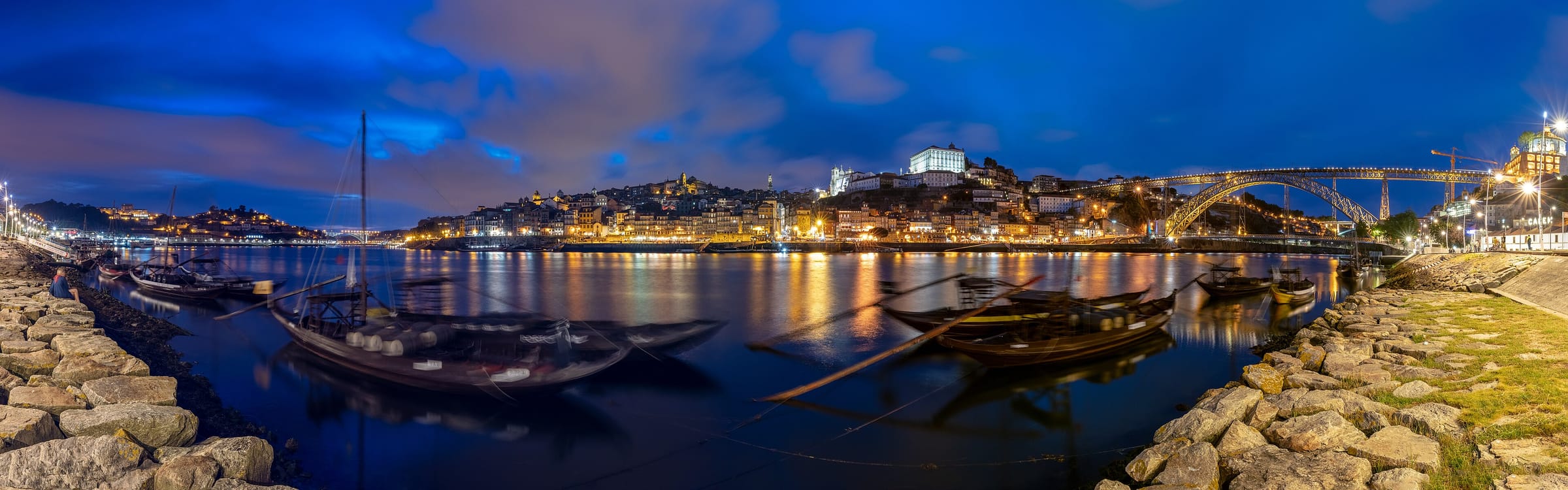
Compact and hilly on the Douro, with the Ribeira waterfront stacked above the river.
- Budget
- $50 a day
- On foot
- very walkable
- Getting around
- Excellent
- Best months
- April to June, September to October
- First solo trip
- Good first trip
- Wifi
- Good
- English
- Expensive
- Places to stay
- 8+ read
01 of 08
The read
Porto is compact, English-friendly, and built for exactly the kind of slow, curious solo exploration that women do best.
What holds up
- English is widely spoken in restaurants, transport, and shops throughout the centre.
- The metro runs directly from the airport to the city in about 30 minutes, with trains every 15 minutes.
- The historic centre is compact enough to cover on foot in 2 to 3 days, with Uber and Bolt available for the steeper returns.
What to weigh
- November to February brings steady rain. Pack waterproofs, not just an umbrella, and expect wet cobblestones underfoot.
- The hills are genuinely steep. Comfortable, grippy shoes are not optional, they are the difference between enjoying the city and enduring it.
Porto is Lisbon's grittier, more affordable sibling and arguably the better city for solo travellers who want to slow down. The Ribeira waterfront is a UNESCO site, and the tiled facades of churches and train stations (Sao Bento is worth a visit just for the azulejo panels) give the city a visual richness that rewards walking without a plan.
Cross the Dom Luis I bridge to Vila Nova de Gaia for port wine tastings. Most cellars charge for a guided tour with samples, and sitting on the terrace with a tawny port and river views costs nothing. The Bolhao market reopened after renovation and is a good spot for a solo lunch: bacalhau croquettes and a pastel de nata.
Budget-wise, Porto is noticeably cheaper than Lisbon. Private rooms in guesthouses are the usual solo option, and a francesinha, the local meat sandwich, is a meal on its own. The metro connects the airport to the centre in 30 minutes. Cedofeita, Aliados and Ribeira stay busy after dark. Quieter side streets thin out earlier. The city is compact enough that you rarely need transport once you are settled.
02 of 08
Common questions
What people ask about Porto, answered with specifics rather than in general terms.
- Is Porto a good place to travel alone?
- Porto is one of the easier places in the region to travel alone for the first time. English is widely spoken in restaurants, transport, and shops throughout the centre.
- How much does Porto cost a day?
- Around $50 a day covers a bed, food and local transport for one person in Porto.
- How do you get around Porto?
- Walking. Porto's centre is compact but steep. The Ribeira to Clerigos is a serious uphill walk. Comfortable shoes are mandatory. Most key sights are within a 30-minute walk of each other, terrain permitting.
- When is the best time to visit Porto?
- April to June, September to October is the window most travellers aim for in Porto. November to February brings steady rain. Pack waterproofs, not just an umbrella, and expect wet cobblestones underfoot.
- Where should you stay in Porto on your own?
- Distances in Porto are larger than they look on a map, so the area you pick matters more than the property. Compact and hilly on the Douro, with the Ribeira waterfront stacked above the river.
03 of 08
Where to stay
Each of these has been read rather than listed. The full set is on the stays page.
- Pestana Vintage Porto
Ribeira riverfront rooms and suites with a restaurant and bar; check in from 2pm.
hotel · 4.7 from 2599 reviews - The Passenger Hostel
The staff here get named in reviews more than once, and the beds come with a light, charger and holder so nobody disturbs the dorm at midnight. The honest catch: women report cold water in the ladies' bathrooms, which matters in winter.
hostel · 4.7 from 953 reviews - Porto Spot Hostelhostel · 4.6 from 928 reviews
- PILOT Design Hostel & Barhostel · 4.4 from 815 reviews
- Gallery Hostel Porto | GH Group Porto | Accommodation in Porto Art District | Events
The 6-bed female dorm has dedicated shower and toilet facilities, with two of each.
hostel · 4.7 from 764 reviews - The Central House Porto Ribeira
Women keep coming back to the bed curtains: proper privacy in a dorm, not something every hostel bothers with. Short walk to the waterfront, en-suite toilet in the room. The reviews are thin on late-night staffing and the surrounding streets after dark.
hotel · 4.4 from 566 reviews - Jardins do Porto - by Unlock Boutique Hotels
The rooms are quiet even on a Friday night, and staff like Joao are named repeatedly for being attentive and genuinely helpful. The location sits just outside the tourist crush but stays convenient. Reviews do not flag a specific catch.
hotel · 4.8 from 135 reviews - Casa do Conto Arts & Residence
Converted 19th-century building with only six suites.
hotel · 4.7 from 120 reviews · about $140 a night
04 of 08
What to know
- 01
Port wine tastings in Gaia are a highlight
The port lodges in Vila Nova de Gaia offer tastings ranging from walk-in flights to guided tours of centuries-old cellars. Most are open daily without reservation. It is educational, social, and a good solo activity.
- 02
Porto is smaller and more manageable than Lisbon
The centre is compact enough to cover on foot in 2-3 days. The smaller scale means you develop neighbourhood familiarity quickly. It is an excellent city for solo exploration.
- 03
Matosinhos is worth the metro ride for seafood
The fishing suburb of Matosinhos (15 min by metro, Line A) has a strip of seafood restaurants along Rua Herois de Franca where fish is grilled over charcoal on the pavement. It is where Porto locals eat seafood.
- 04
The Douro Valley train is unmissable
The train from Porto to Pinhao along the Douro River passes through terraced wine country and is one of the best scenic rail journeys in Europe. Go on a weekday for quieter carriages. Return the same day or stay overnight at a quinta.
05 of 08
Getting around
- 01
Walking
Porto's centre is compact but steep. The Ribeira to Clerigos is a serious uphill walk. Comfortable shoes are mandatory. Most key sights are within a 30-minute walk of each other, terrain permitting.
- 02
Metro
Six lines, mostly useful for reaching the airport (30 min to centre on Line E), the coast (Matosinhos for seafood), and outlying areas. Buy an Andante card at any station.
- 03
Funicular and trams
The Funicular dos Guindais connects Ribeira to the upper city. Tram 1 runs along the river to Foz do Douro and is useful and scenic (less crowded than Lisbon's Tram 28 equivalent).
- 04
Ride-hailing
Uber and Bolt operate throughout Porto and are useful for the hills, especially returning from the Ribeira after dinner.
- 05
Train to the Douro Valley
CP trains from Sao Bento station run along the Douro River to Peso da Regua and Pinhao. The 2-hour journey through terraced vineyards is one of Europe's most scenic rail trips.
06 of 08
How the day runs
Coffee and a pastel de nata at a local pastelaria by 8:30. The Bolhao Market (reopened after renovation) is best in the morning. Sao Bento station is worth visiting just for the tiles. The Clerigos Tower (76m, 240 steps) has the best city view.
Visit Livraria Lello first thing or late afternoon to avoid the queue. Buy a voucher online in advance.
Lunch is substantial. Try a francesinha at Cafe Santiago or Bufete Fase. Cross the Dom Luis I Bridge (upper deck for views, lower for the Ribeira) to Vila Nova de Gaia for port wine tastings. Most lodges offer walk-in tastings. Afternoon walks along the Foz do Douro (river mouth/coast) are scenic.
Taylor's, Graham's, and Churchill's all have excellent tasting rooms with views back to Porto.
Dinner starts 20:00+. The Ribeira has restaurants but can be touristy. Rua das Flores and Cedofeita have better options. Live fado is less common than Lisbon but exists. The Galeria de Paris street in the Clerigos area has a strip of bars active from 22:00.
Rua das Flores has become Porto's most interesting dining street. Book ahead for weekend dinners.
07 of 08
What to eat
- 01
Francesinha
Layers of cured meats, steak, and sausage between thick toast, covered in melted cheese and a spicy tomato-beer sauce. A full meal in one sandwich.
Cafe Santiago on Rua de Passos Manuel. The sauce recipe is a closely guarded secret.
- 02
Tripas a Moda do Porto
Tripe and white bean stew that gave Porto its nickname (tripeiros). Rich, hearty, and a point of local pride.
Adega Sao Nicolau in Ribeira, or any traditional restaurant displaying 'Tripas' on the menu.
- 03
Bolinhos de Bacalhau
Deep-fried salt cod and potato fritters, golden and crispy outside, creamy inside. Every Portuguese grandmother has a recipe.
Bolhao Market (Mercado do Bolhao) food stalls, or Casa Guedes for a more casual snack.
- 04
Port Wine
Tawny, ruby, or white Port wine, produced exclusively in the Douro Valley and aged in the cellars across the river in Gaia.
The Port wine cellars in Vila Nova de Gaia: Taylor's, Graham's, or Sandeman for tastings with river views.